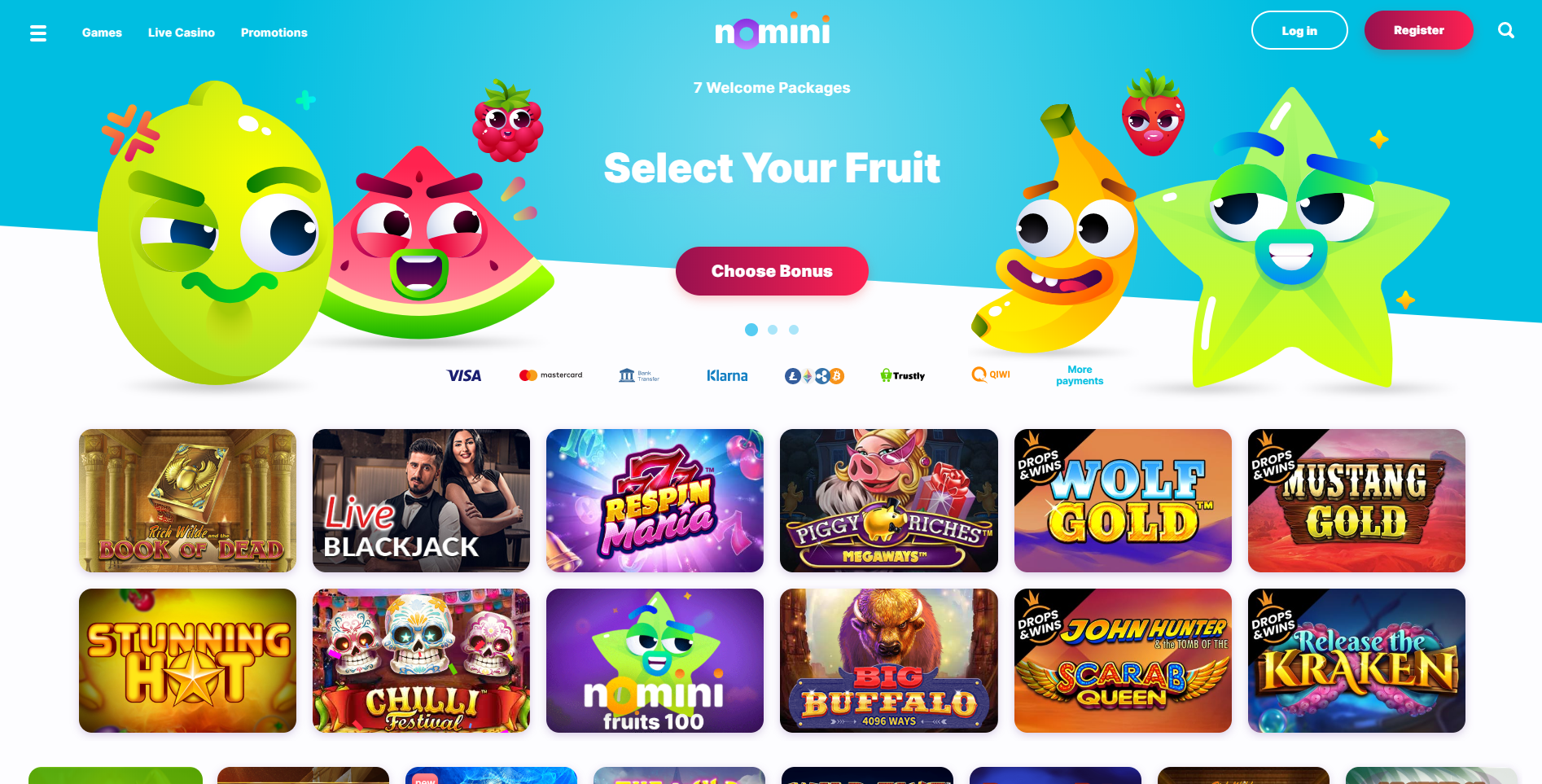
I have spent over a decade studying the operational structures of online casinos, and I can tell you that the single most neglected element by players is the licensing body standing behind a brand. Most people obsess over bonus percentages or game libraries, yet the regulatory framework determines whether your funds are separated, your personal data is managed lawfully, and the games you play operate on a certified random number generator. When I visit a site like Nomini Casino and navigate to its legal and affiliates page, I look for precise license numbers, the registered operating company, and any dispute resolution links. That page is not just legal documentation; it is a window into the operator’s entire compliance posture. In the UK, we are blessed to have robust oversight, but the global picture is more nuanced, with several respected bodies each carrying distinct strengths. Understanding these differences helps you differentiate genuinely safe platforms from those that merely look the part.
Why Licensing Matters More Than You Believe
A casino license is more than just a decorative badge. It represents a binding framework of duties covering capital sufficiency, anti-money laundering measures, technical audits, and responsible gambling guidelines. I have seen operators forfeit their license within weeks because they failed just one audit of player fund segregation. When a regulator requires client funds be kept in a segregated, safeguarded bank account, your balance is ring-fenced and repaid even if the operator enters insolvency. Without that stipulation, your deposit becomes a part of the company’s general assets, and you end up as an unsecured creditor. This is why I always urge UK players to confirm whether a site is directly regulated by a body enforcing such segregation. The distinction between a licensed and an unlicensed entity isn’t theoretical; it represents the distinction between an organized approach to dispute resolution and having nowhere to turn if a withdrawal is rejected without justification.
Player Safety and Fund Protection
The key benefit of a credible license is required participation in a player protection framework. This implies the operator must keep a transparent complaints procedure and subscribe to an independent alternative dispute resolution service. If you become in a deadlock over a delayed payment or a confiscated balance, the ADR provider steps in at no cost and delivers a binding decision. I have directly guided several players through this process, and the mere suggestion of an ADR escalation often encourages the operator to resolve the issue promptly. Licensing bodies also enforce strict know-your-customer verification rules that, while sometimes frustrating, are designed to prevent identity theft and underage gambling. These checks are not optional extras; they are terms of the license, and a casino that speeds through them is probably cutting corners elsewhere.
Game Integrity and RNG Testing
No amount of strategy can beat a rigged game, which is why external auditing of random number generators is a non-negotiable element of any serious license. Regulators demand all game outcomes to be verified through certified RNG software consistently reviewed by accredited test houses. I have studied audit certificates from labs like eCOGRA, iTech Labs, and GLI, and each verifies that the theoretical return to player percentage aligns with actual results over millions of spins. When a license requires such testing, the operator cannot easily manipulate the house edge on a whim. This builds a level playing field where your chances are just as the game’s published RTP suggests. Without this oversight, you are trusting a black box, and I would never advise that to anyone who values their bankroll.
The Function of Independent Testing Labs
Certification bodies act as the technical arm of the licensing authority. They do not merely run a one-time check; they perform continual monitoring of gaming servers, confirm that software code has not been modified, and carry out data analysis of live data. I think of a instance where a testing facility identified a minor discrepancy in a slot machine’s payout frequency during a routine monthly audit. The operator was forced to suspend the game and arrange for a thorough code review before the gaming authority would authorize it back online. This degree of oversight separates licensed markets from lightly regulated regions. When you notice a stamp from a approved testing lab on a casino’s footer, the slot games have been stress-tested for integrity and the figures you witness are genuinely unpredictable. For me, that seal is just as crucial as the permit itself.
Malta’s Gambling Regulator – a Mediterranean Powerhouse
While the UKGC dominates the British dialogue, the Malta Gaming Authority has developed a reputation as the licensing hub for operators catering to multiple European markets. I have worked with several MGA-licensed brands, and I value the Authority’s organized approach to compliance, which divides oversight into distinct pillars encompassing game integrity, player protection, and business fitness. The MGA’s regulatory sandbox framework also enables innovation in areas like blockchain-based gaming, something more conservative regulators are slow to adopt. For a UK player finding an MGA license on a site that also holds UKGC approval, the dual layer of oversight signals strong commitment. However, I always tell people that an MGA license alone does not give permission to operate in Great Britain; the operator must still obtain UKGC authorisation to legally target UK residents.
MGA’s Two-Part System for B2C and B2B
One distinctive feature of the Maltese framework is its clear separation of business-to-consumer and business-to-business licenses. The game provider supplying a casino must also be licensed and audited independently, establishing a chain of accountability extending from the studio floor to your screen. I have found this particularly valuable when investigating a dispute over a specific game malfunction, because I can trace responsibility back to the supplier’s own regulatory obligations. The MGA also demands all player funds to be held in a separate client account, reflecting the UKGC’s protection, and mandates participation in an ADR scheme. In my experience, the MGA’s enforcement is measured yet tough, and I have seen it suspend licenses when operators repeatedly omitted to meet required standards of player communication and timely payouts.
Curacao eGaming – A Pragmatic Choice

Curacao has long been the jurisdiction of choice for startups and established brands seeking a speedier licensing path. The licensing process is considerably less onerous than what the UKGC or MGA requires, which is why many crypto-friendly and internationally focused casinos operate under a Curacao master license. The system works through a handful of master license holders who authorize individual operators. This structure can make it harder for a player to identify the exact entity responsible for oversight, but it does not necessarily imply the casino is unsafe. I have seen several Curacao-licensed platforms, including Nomini Casino, choose to adopt higher standards such as provable fairness technology and independent RNG testing to foster confidence. The key is to look beyond the license itself and assess the operator’s transparency regarding complaints procedures and player fund security.
The Reasons Curacao Remains Popular with Operators
The primary draw of a Curacao license is streamlined operations. Instead of spending twelve to eighteen months for complete UKGC or MGA authorization, a company can be operational in weeks. The tax regime is favourable, and the license covers all games of chance under a single permit rather than needing separate certifications for each vertical. From an affiliate’s perspective, this means a wider pool of brands to promote, but it also requires sharper due diligence. I always confirm whether a Curacao-licensed casino employs a reputable payment processor, displays its sub-license number clearly, and has a track record of resolved player issues on independent forums. When these indicators match, the Curacao license can be a perfectly acceptable foundation, especially for players who favor cryptocurrency transactions and a broad game selection.
The United Kingdom Gambling Commission – The Gold Standard
From my professional standpoint, the UK Gambling Commission stays the most exacting regulator in the online casino sector. Its licensing conditions and codes of practice cover hundreds of pages, addressing everything from withdrawal speeds to the prominence of responsible gambling tools. I have observed the Commission levy seven-figure fines on brand-name operators for failures other authorities might ignore, such as inadequate anti-money laundering measures or advertising that targeted vulnerable groups. For a British player, a UKGC license means the operator reports to a body that can stop operations within hours if a major infraction is identified. The Commission also maintains a public register where you can check a license number instantly, and I have a practice of reviewing that register before depositing a single pound on any new site I evaluate.
What the UKGC Demands from Operators
The UKGC’s requirements reach far beyond basic probity. Operators must present detailed business plans, prove the source of their funding, and demonstrate that key personnel are qualified and proper. I have supported operators through the application process, and the level of personal financial disclosure required from directors and significant shareholders is comparable to what you would expect in the banking sector. Once licensed, the operator must connect to the national self-exclusion scheme, supply genuinely effective deposit limit tools, and flag any suspicious betting patterns pointing to problem gambling or criminal activity. The Commission also performs mystery shopping exercises and thematic reviews, publishing findings so the entire industry can learn from compliance failures. This transparency is the cause I view a UKGC license the safest harbour for British consumers.
How Licensing Influences Affiliate Partnerships
I have run affiliate programmes on each side, and I can say categorically that an operator’s licensing status is the single greatest factor in an affiliate’s long-term earning potential. Affiliates promoting unlicensed or weakly licensed casinos jeopardize not just their commission payments but additionally their reputation with their audience. When a casino has its license revoked or encounters enforcement action, the affiliate is obliged to explain to readers why they recommended a site now withholding funds. Serious affiliate managers, such as those running the Nomini Casino affiliate programme, emphasize publishing licensing details prominently and providing affiliates with compliance resources. A transparent programme gives you direct access to license certificates, terms and conditions updates, and a specific contact for regulatory queries.
What Transparent Programmes Look Like
Based on my experience, a trustworthy affiliate programme does not hide behind vague references to a “fully licensed” operation. It specifies the exact licensing body, supplies the license number, and links to the official register where that information can be independently verified. I also search for programmes that proactively update affiliates about changes in regulatory requirements, such as new advertising standards or restrictions on bonus marketing. The best programmes I have worked with supply pre-approved creative materials already compliant with the relevant jurisdiction’s rules, preventing affiliates from inadvertently violating guidelines. This level of support directly indicates the operator’s own compliance culture and signals to me the brand regards its license as more than a box-ticking exercise.

Verifying License Information on the Operator’s Site
Every time I evaluate a new affiliate partner, I apply a simple three-step check. First, I go to the bottom of the casino’s homepage and click on the license seal or the link to the legal page. Next, I record the license number and registered company name, then go to the regulator’s public register to verify the license is active and includes the domain I am reviewing. Lastly, I examine the complaints policy and find the ADR provider. If any step produces a dead link, a mismatch, or a vague statement, I walk away. This process needs less than five minutes and has kept me from promoting operators that later collapsed. On the nominicasino terms and conditions legal page, you will find the relevant details displayed without ambiguity, which is exactly what I look for before directing traffic to a brand.
What to Check in a Regulatory Seal
A license seal at the base of a casino page is not just a graphic; it must be a clickable link to a live verification page. I have come across fraudulent seals that were just fixed images, and that immediately raises suspicion. A genuine seal, when clicked, will open a pop-up displaying the operator’s current license status or send you to the regulator’s website where you can verify the particulars. In the UK, the Gambling Commission mandates operators to show their license number and a link to the official register in a designated format. I also advise checking the date of the last audit or the certificate’s validity period, because an expired seal offers no protection. This simple habit has become a habit to me, and I urge every player to embrace it before depositing money.
Beyond the seal itself, I pay close attention to the language found in the terms and conditions pertaining to the license. A well-drafted set of terms specifically states which entity is entering into an agreement with you, which law applies to the agreement, and which regulator has jurisdiction over disputes. Vague clauses transferring jurisdiction to an unclear offshore area without a recognised ADR provider are a warning sign. I have witnessed players have no option to complain because the operator’s terms pointed to a dispute resolution process that simply did not exist. When I look at a site like Nomini Casino, I expect to see a clear and enforceable complaint process aligning with the stated license. That alignment indicates an operator following both the letter and the spirit of its regulatory obligations.